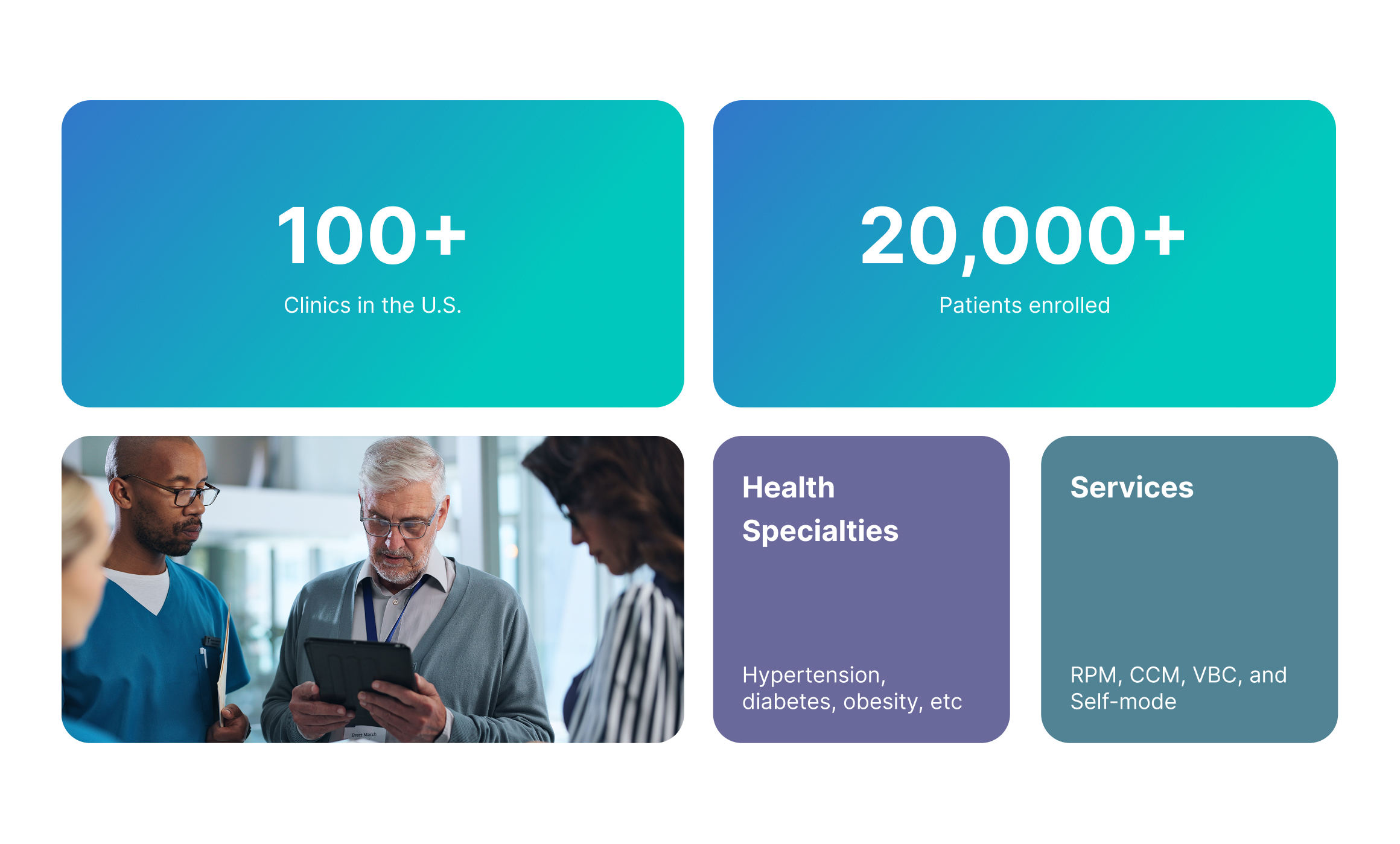
iHealth is a digital health company known for its COVID-19 test kits, monitoring devices, and the Unified Care program. The Unified Care program offers a patient-facing mobile app (B2C) and internal tools (B2B) that support remote patient care, improve health outcomes, and simplify clinical workflows for healthcare providers.
Research
Product Design
Web Design
Design System
Marketing Strategy
Product Design Team
Product Managers
Developers
Care Team
Marketing & Sales
When I joined iHealth, the company was repositioning itself in the healthcare industry with a vision to elevate its healthcare services, products, and brand. The Unified Care app was designed without a clear product strategy, creating an opportunity to redesign the app that supports holistic healthcare practices and recently revamped Care Portal.
My work spanned several initiatives — primarily leading the Unified Care mobile app, website redesign, and educational materials, while collaborating with teams on app 2.0 and Care Portal to support patients, care team members, and providers.
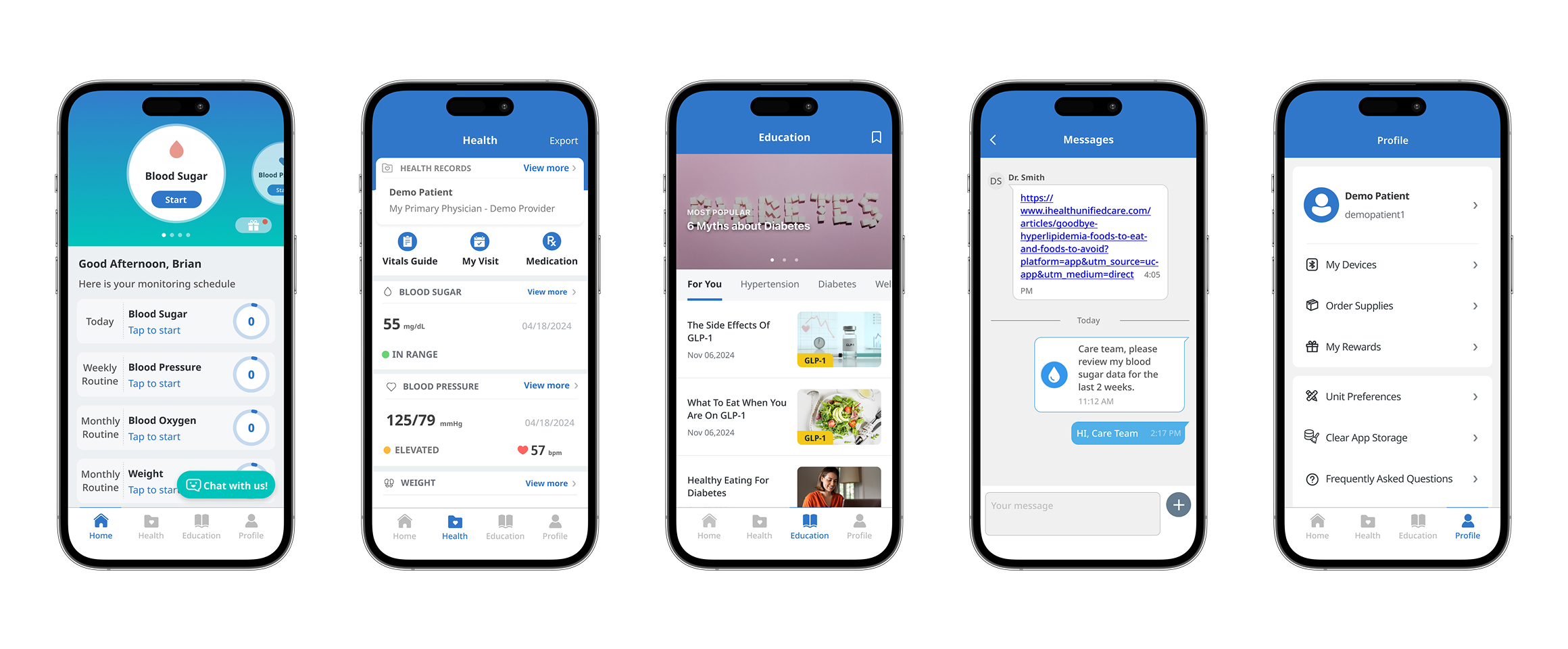
The Unified Care app was designed to help patients monitor vitals at home, connect with the Care Team, and receive personalized support to improve their health outcomes.

Over time, limited functionalities, fragmented experience, a broken design system, and unclear CTAs had significantly impacted overall product performance, user engagement, and value the program aimed to deliver. At the same time, the new business model focused on bridging the gap between online and onsite care support.


Designing solutions in the healthcare space comes with unique challenges. Below are key challenges I navigated throughout the project lifecycle.

57% of primary users were seniors. As the program expanded, we expected a more diverse user base, requiring design solutions that support varying levels of digital literacy and healthcare needs.
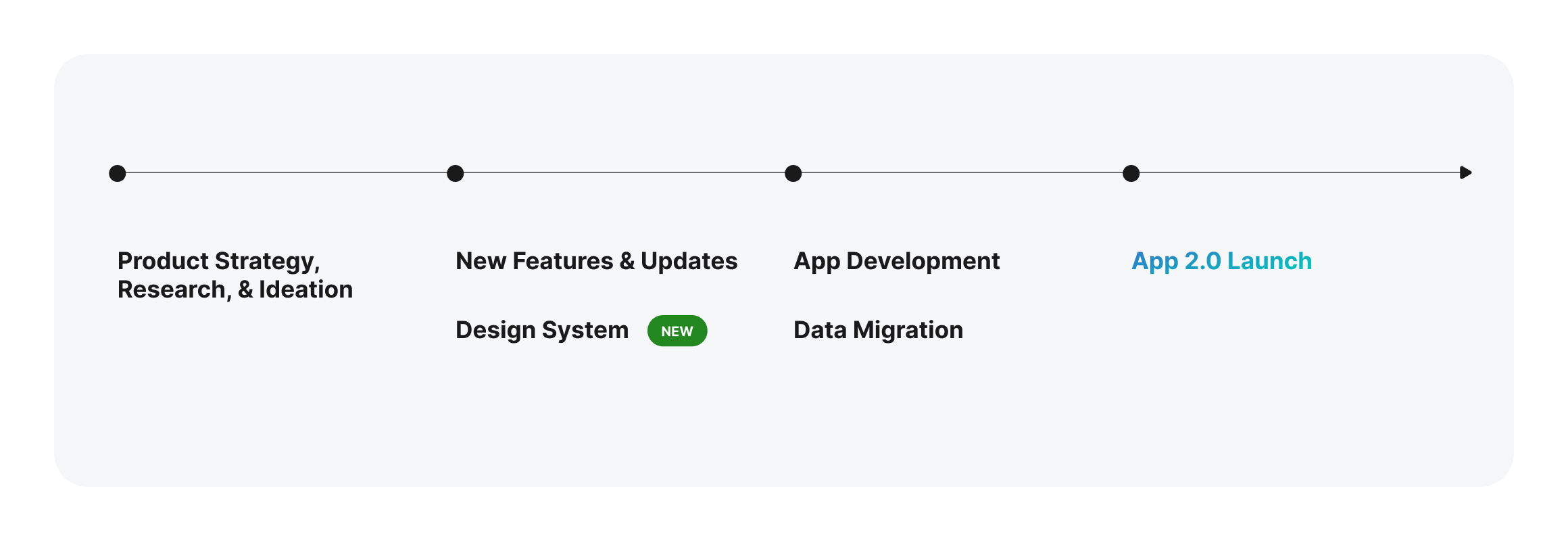
We adopted a phased rollout approach, prioritizing high-impact features first and gradually introducing new features to address user and business needs over time.

Working collaboratively, we used a range of research methods to understand user pain points, clinical workflows, and technical constraints. These findings surfaced opportunities for improvement across the app, portal, and website experience.

Our research highlighted four key themes that shaped our product strategy and design priorities.

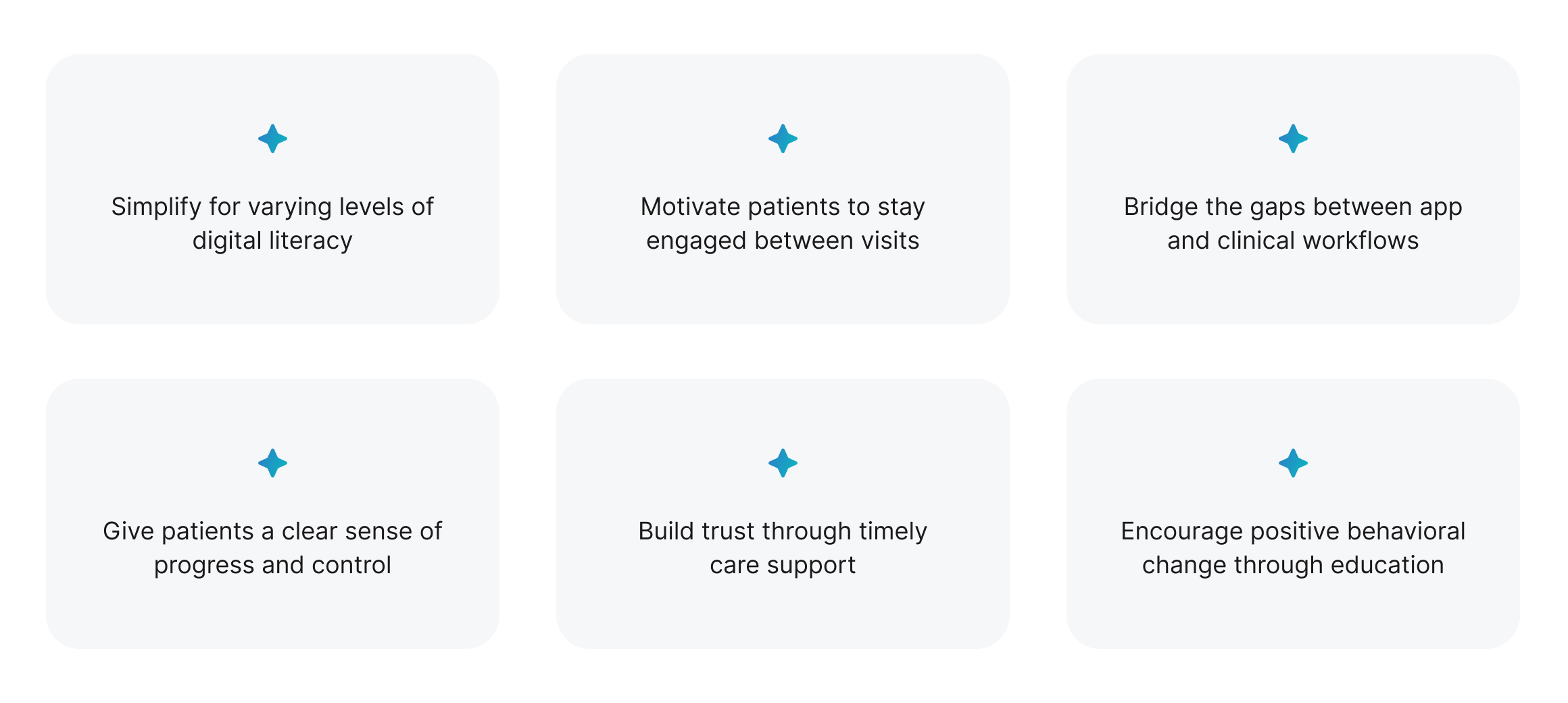
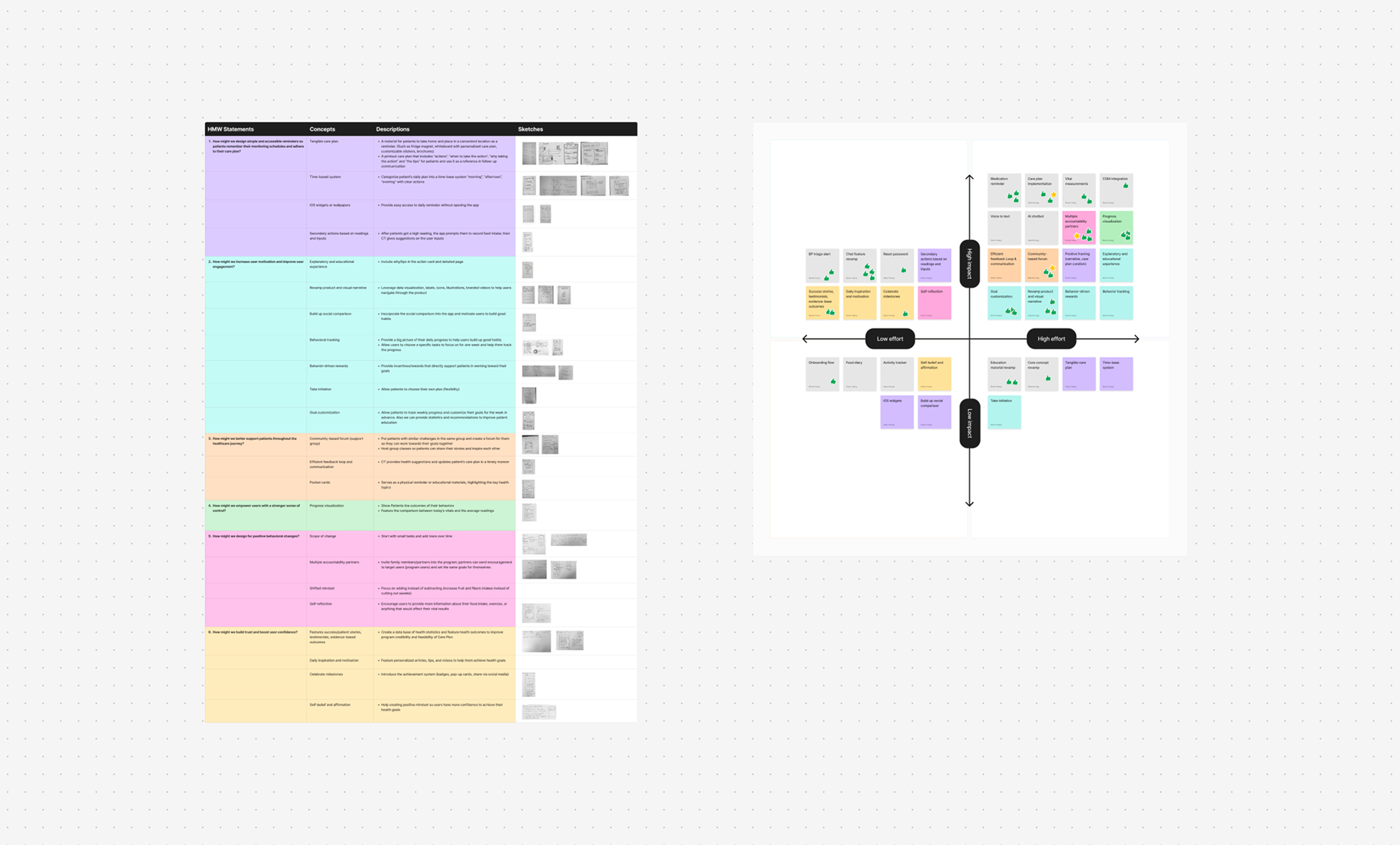
By synthesizing research insights, we translated core challenges into “How Might We” opportunities to guide the app redesign.


Working with cross-functional teams, we evaluated opportunities based on feature impact, business value, and technical feasibility. Features addressing the most critical patient and clinical needs were prioritized first. The new information architecture was restructured to support both product improvements and future scalability.


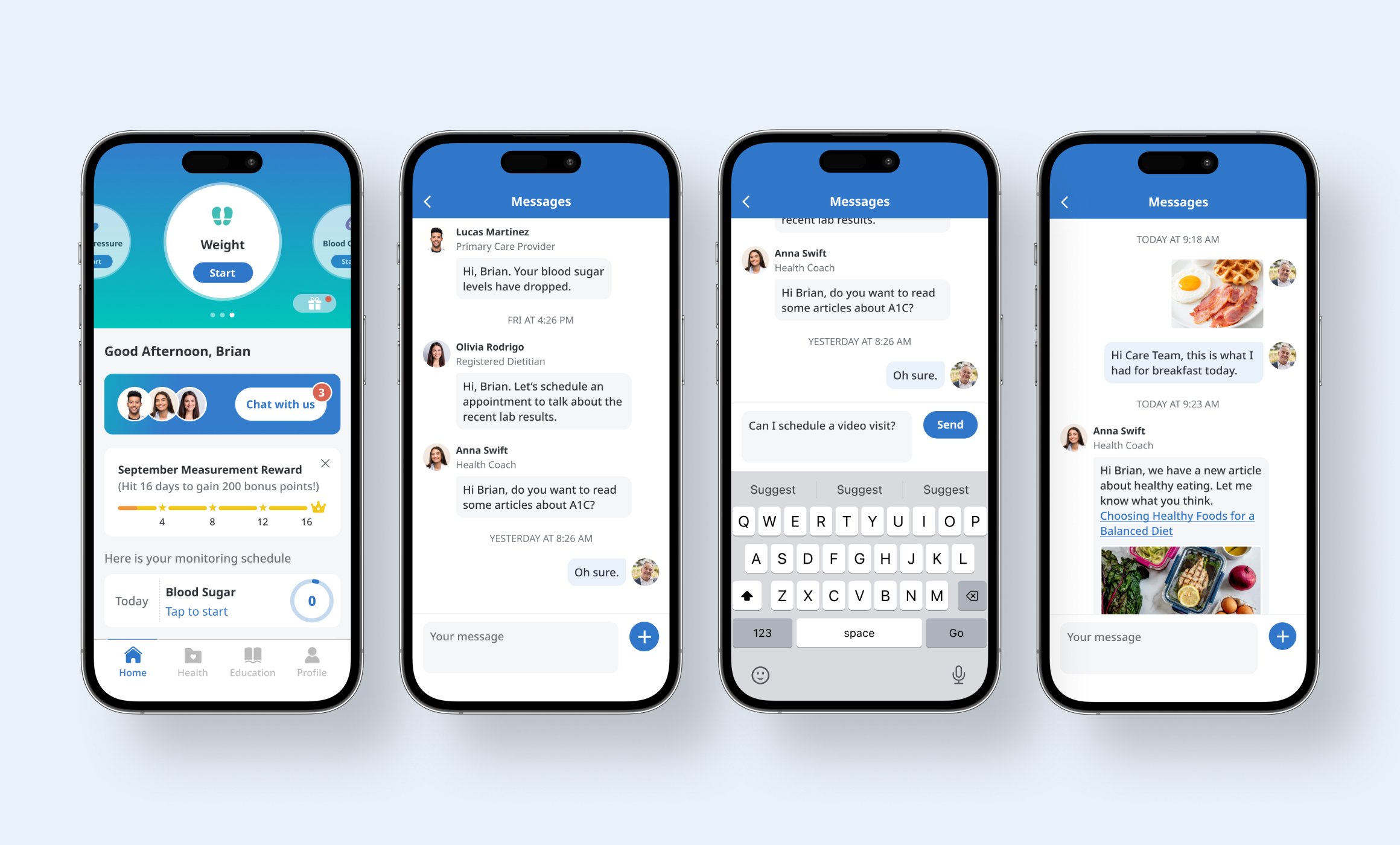
The chat feature allows users to connect with their care team, but low usage limits effective communication and care support.
1. Floating button with small tap area, low visual hierarchy and contrast
2. Lacked structure and actionable content, limiting patient understanding and engagement
3. Couldn't support rich content or scale with new message types
These issues combined to make chat one of the most underused features in the app — despite being the primary connection between patients and the care team.

1. Accessibility: designed button style, placement, and tap area make chat prominent and easy to reach
2. Trust: Displaying care team credentials builds patient confidence
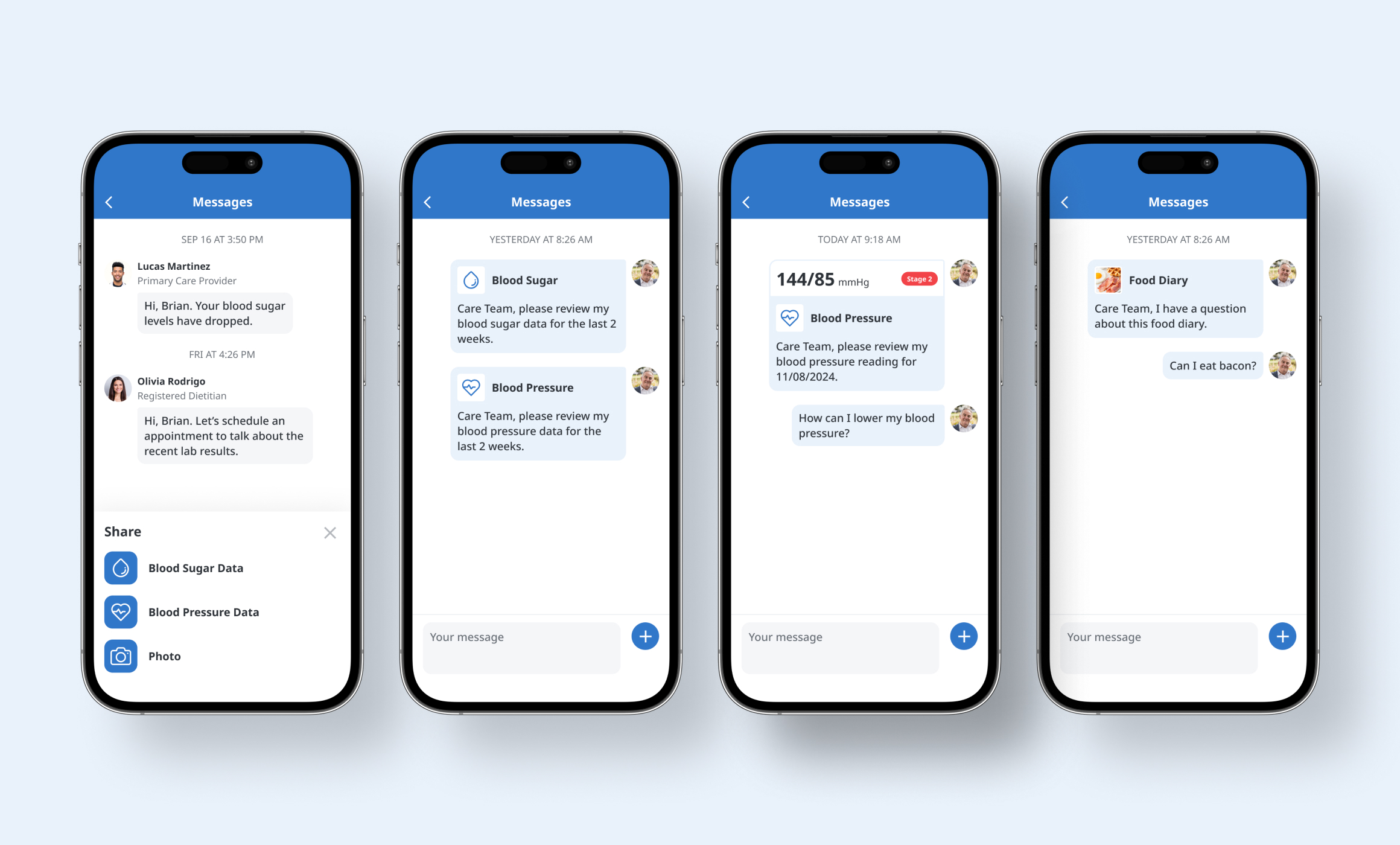
3. Clarity: Data labels, visualizations, and contextual content help users understand their health progress and get valuable insights
4. Multiple access: Provide more entry points throughout the app experience to improve feature discoverability and user engagement
5. Scalability: New chat UI components support 15+ message types and use cases


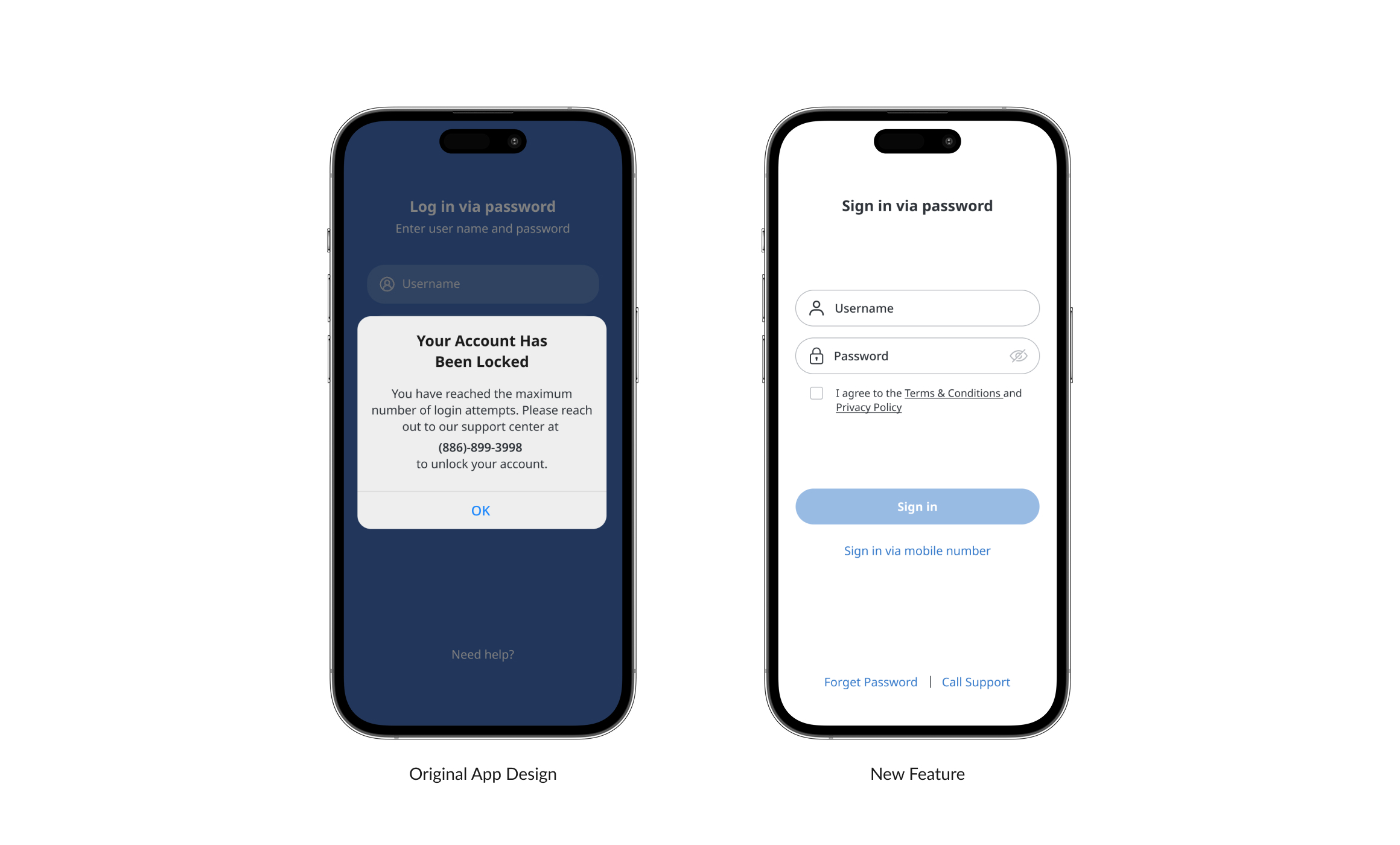
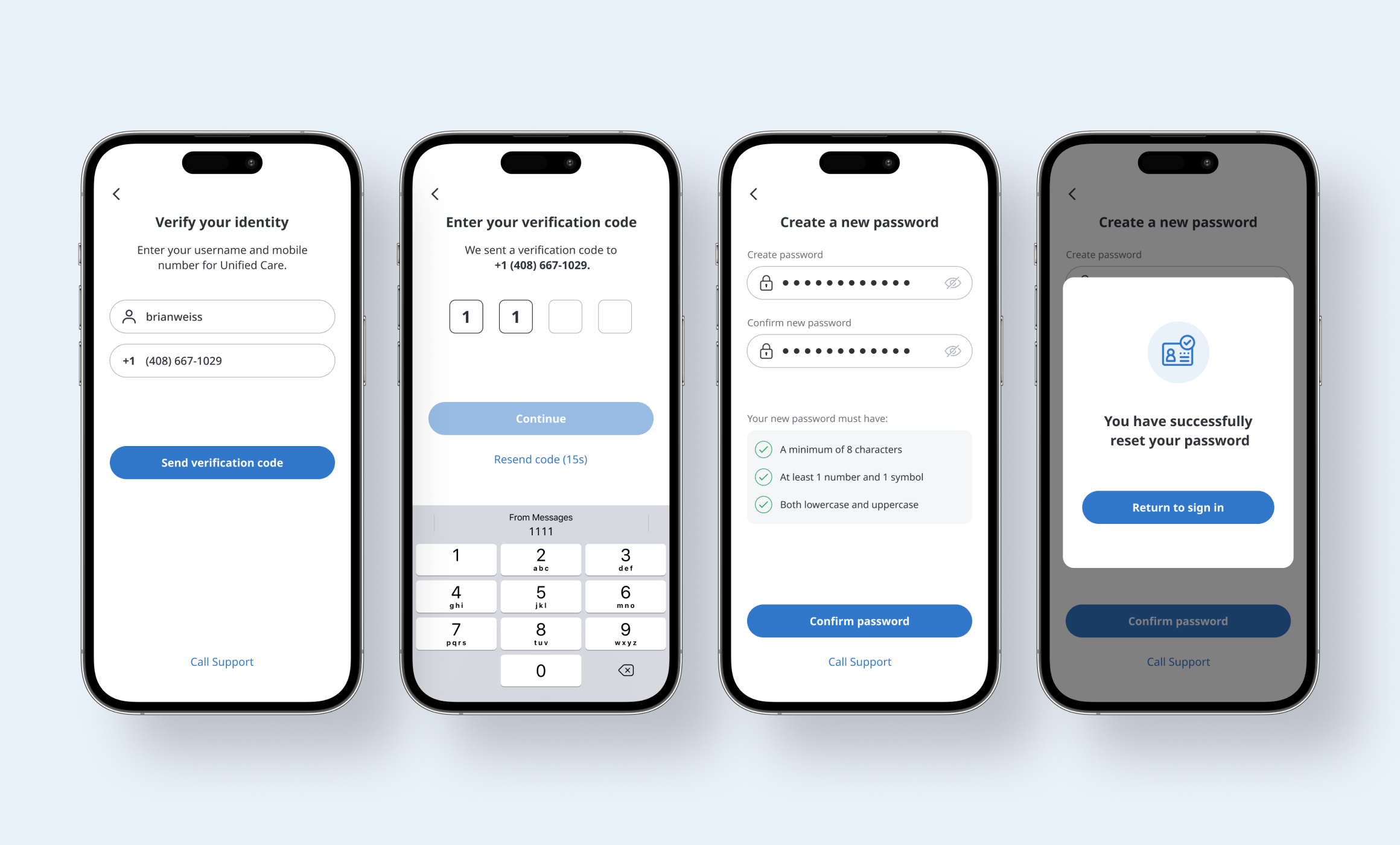
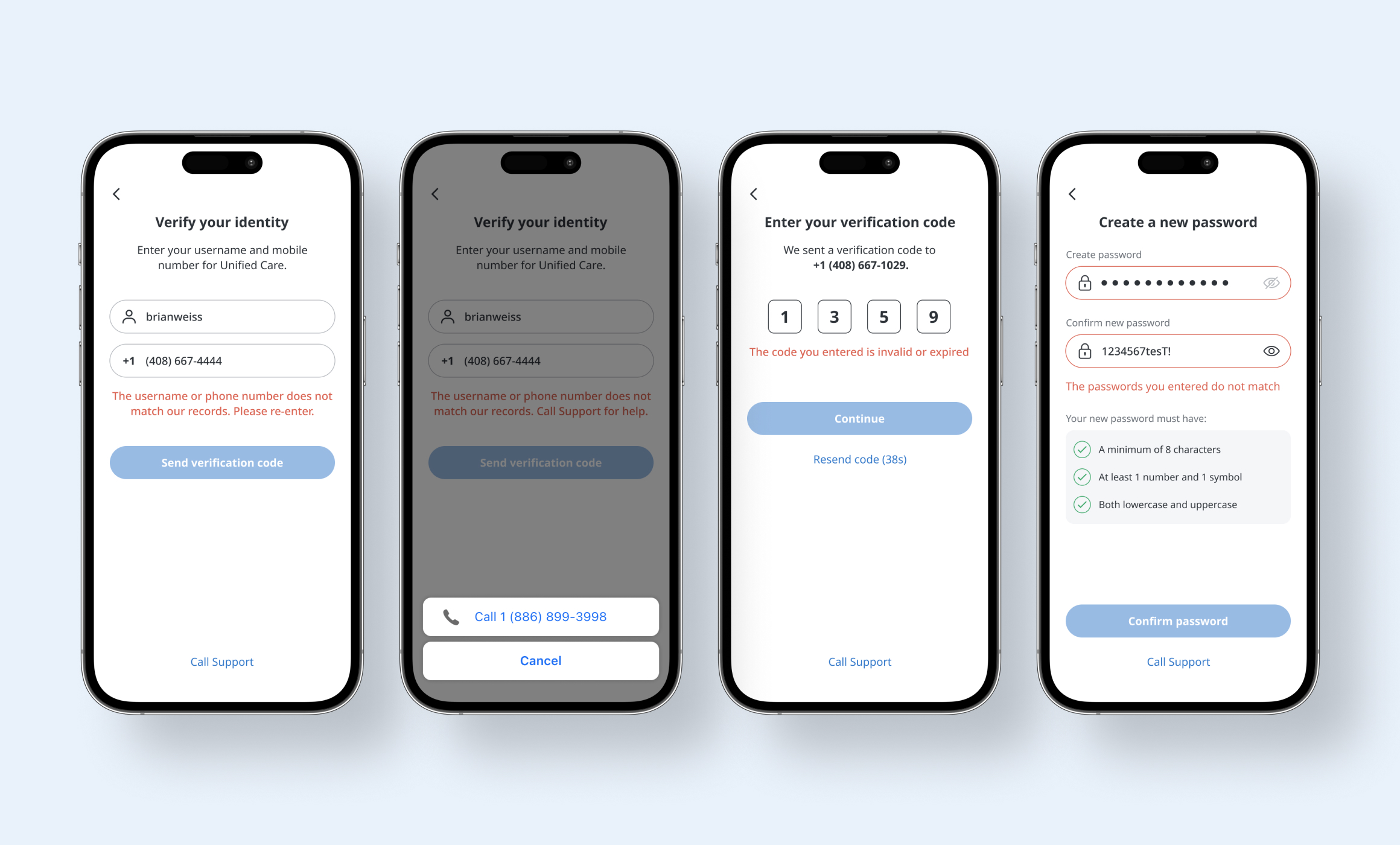
Although only 15% of users log in via password, forgotten passwords required calling our support team.
1. Support dependency: Increased support tickets and slower response times
2. User friction: Patients couldn't access the app quickly when they needed it
3. Security risk: Resetting passwords over the phone doesn't comply with standard healthcare security practices

1. Self-serve reset: Users can verify identity and reset their passwords without calling support
2. Security compliance: SMS verification, resend code functionality, and tech requirements align with standard healthcare security practices
3. Clear instructions: Guide users through each step to completion


Medication reminder was designed to help patients manage medications and improve adherence, the initial proposal supported a full self-serve setup flow. However, care team feedback revealed that many seniors struggled with multi-step interactions and often relied on others for help. Combined with development costs and portal scope implications, I simplified the flow — shifting self-serve reminder setup to care team assisted setup, fitting naturally into existing clinical workflows.


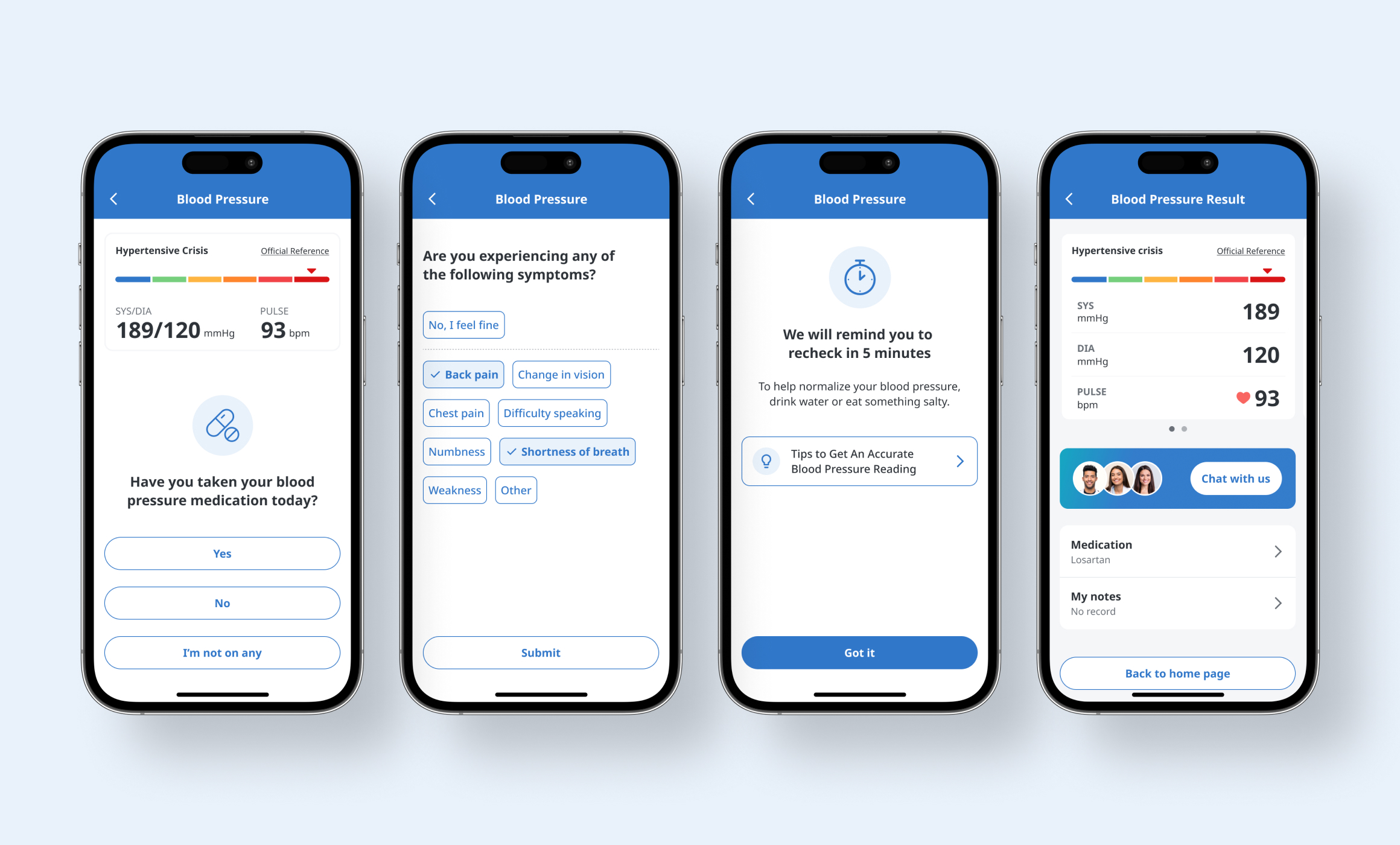
Throughout the project, I designed and launched new features to enhance patient care and clinical workflows.


Initially, there was no unified design system resulted in visual inconsistencies and higher development cost. As I introduced new features and redesigned the product interface, I contributed to evolving the Unified Care app’s Design System by establishing design foundations and creating reusable components.

As a design lead, I optimized iHealth’s and Unified Care’s websites for performance, business growth, and brand standards, providing ongoing design support and vision through research and segmentation redesigns beyond the app experience.


After launching new features in the Unified Care app, engagement increased by 15% with 95% positive feedback. The design system also streamlined design and development by 30%. Most importantly, the scalable solutions I delivered across the products and websites elevated design standards and brand impact.
1. Improving user engagement requires user-friendly features, timely support, and effective education—each closely tied to product design, care delivery, and personalized support.
2. Clear data visualization helps users understand their vitals and trends, driving positive behavioral changes.
3. Product narrative is partially refined, but it can be improved through branded visual storytelling and cohesive content bank.